

How Do I Start A Fire Restoration Business?
Training and certification makes it possible for you to start a fire restoration business. Also you will you need guidance, from a student advisor to help guide you with equipment, pricing training and management. The first step is enrolling in a fire restoration certification course that takes you from what to expect when you get to a fire, to how to clean and secure the fire damaged property. Customers need to know that you have taken the time to get trained properly.
Everyday in your local area a fire damage occurs. Contractors using fire restoration training tools are completing fire damage projects with confidence. Insurance companies want a certified and or trained fire restoration business to take care of their clients. Some insurance companies require it before they will add you as a vendor.
Here is something many contractors do not realize until their first big fire job: in larger fires, firefighters pump thousands of gallons of water into a structure. A fire restoration job is almost always a water restoration job too. The same loss that needs soot cleaning, odor control, and pack-out also needs extraction, structural drying, and moisture documentation. That is why the top fire restoration companies train their crews in both fire and water restoration — the two go hand in hand on nearly every loss.
Starting a fire restoration business also means equipping it. A starter needs extraction and drying equipment, HEPA vacuums, PPE, and contents and packout gear. Your fire restoration certification course should teach you what each tool is for and when to use it, so you buy the right equipment the first time instead of learning by expensive trial and error.
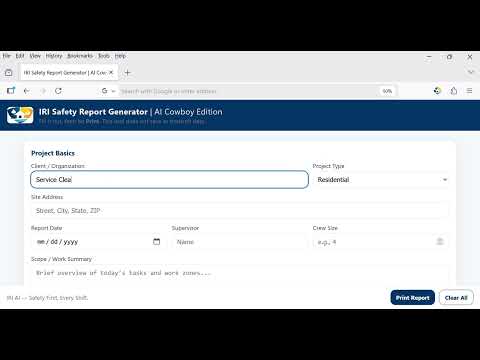
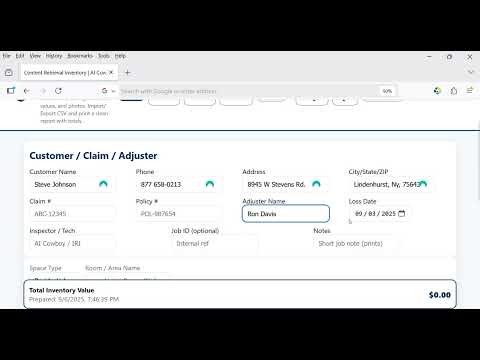
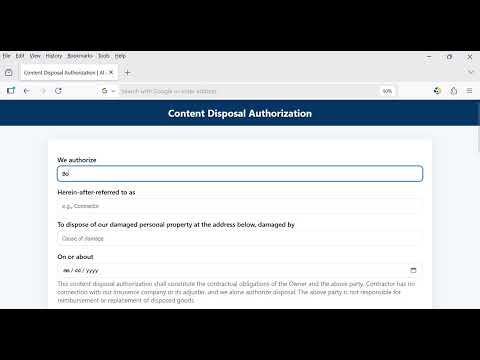
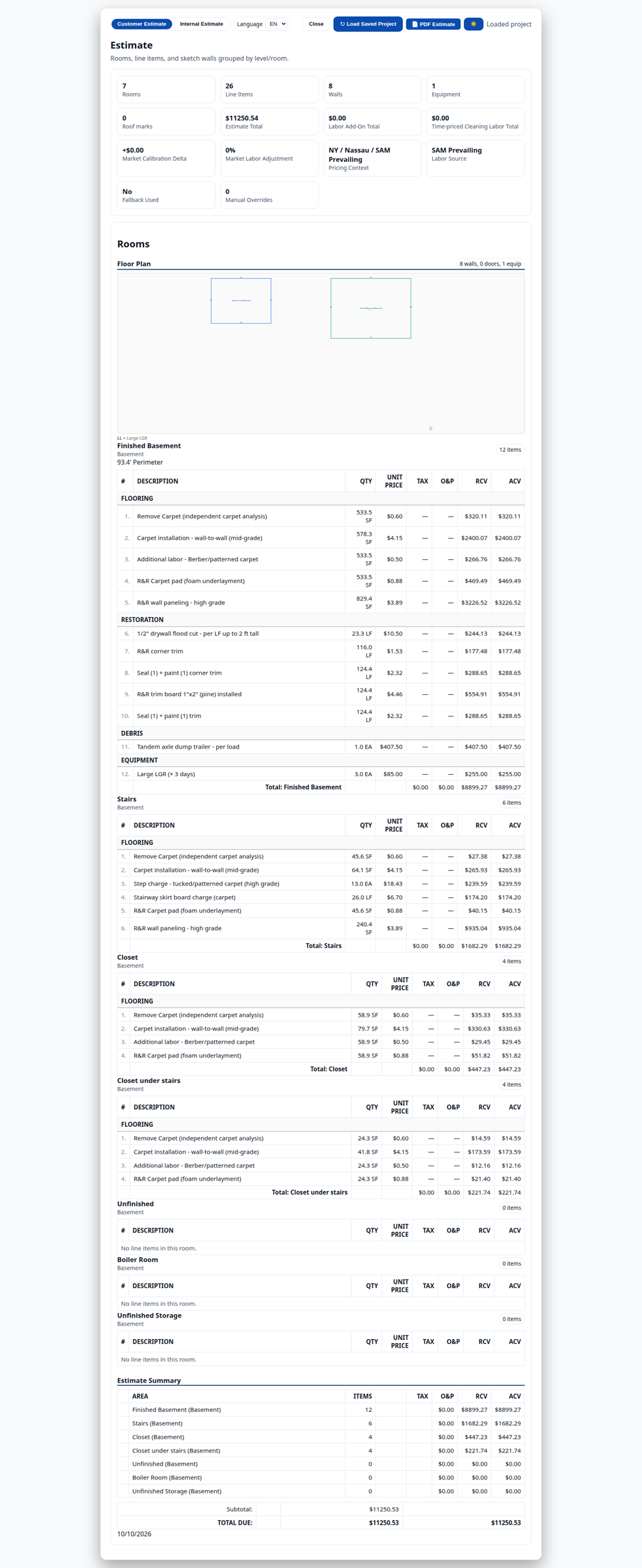
Working a fire job properly today also means documenting it properly. Insurance companies and adjusters expect more than a clean house — they expect proof: pack-out inventories and content disposal records, safety reports, and professional customer-ready PDFs. A good restoration course should teach you how to use these digital documents and field tools, not just the cleaning techniques. Training and tools go hand in hand — the course teaches you the work, and the documents prove you did it right.
Once you are certified and equipped, the clients follow. Insurance companies keep vendor lists of certified and trained restoration businesses, and adjusters refer the contractors they trust. Get listed in directories like IRI's Find A Specialist, build relationships with local adjusters, and let your documentation speak for you on every job.


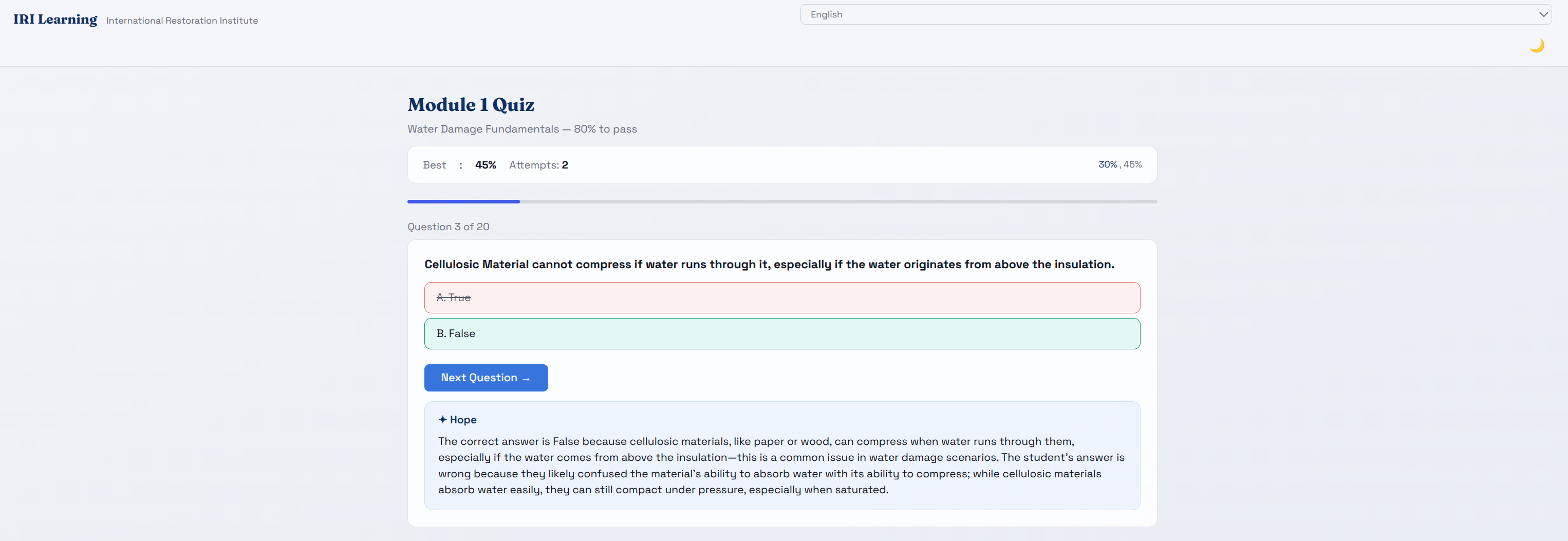


 AI-Enhanced Learning at IRI
